Joint Mission to Document Testimonies of Victims Injured During the “Israeli” Offensive on the Occupied Gaza Strip

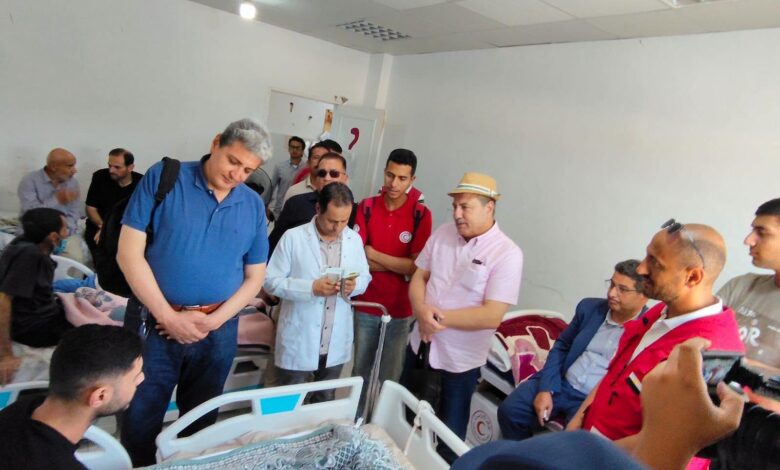
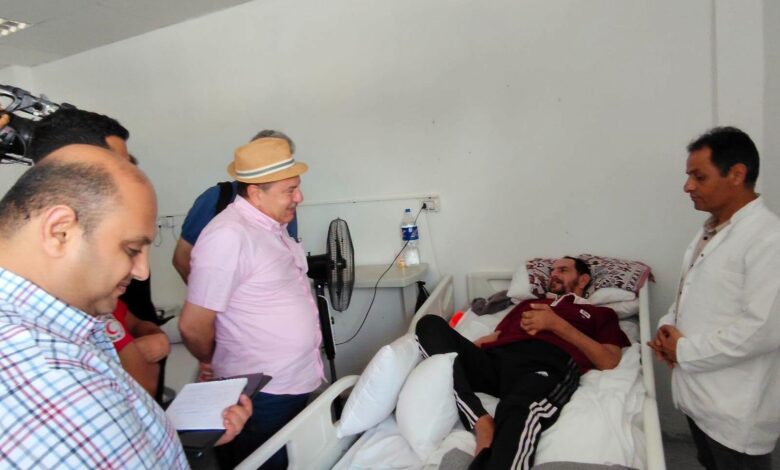
Mission Continues the First Tour of Its Fourth Phase in North Sinai
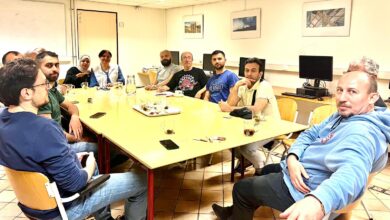
The team of investigators of the Joint Mission arrived in the city of El Arish, North Sinai, at midday yesterday, Monday, 6 July 2026, to begin the first tour of North Sinai as part of the activities of the fourth phase, which will continue throughout July and August 2026.
The mission’s activities aim to document the testimonies of individuals injured during the “Israeli” offensive on the occupied Gaza Strip who are receiving medical treatment in hospitals of the Arab Republic of Egypt. As part of its mandate, the mission also monitors the obstacles hindering the adequate flow of humanitarian aid through Egypt into the Gaza Strip.
The mission was launched as a joint initiative of the Arab Organization for Human Rights (headquartered in Cairo) and the Al Mezan Center for Human Rights in Occupied Palestine (the Arab Organization’s branch in Occupied Palestine, headquartered in the Gaza Strip).
The mission commenced its activities in February 2024 under an authorization issued by the Egyptian authorities and carried out three investigative phases during 2024 and 2025.
The fourth phase continues the monitoring and documentation process in accordance with international verification standards. Its findings are being cross-checked against the results of the field investigations conducted by researchers from the Al Mezan Center inside the occupied Gaza Strip.
Visit to the Humanitarian Aid Logistics Center
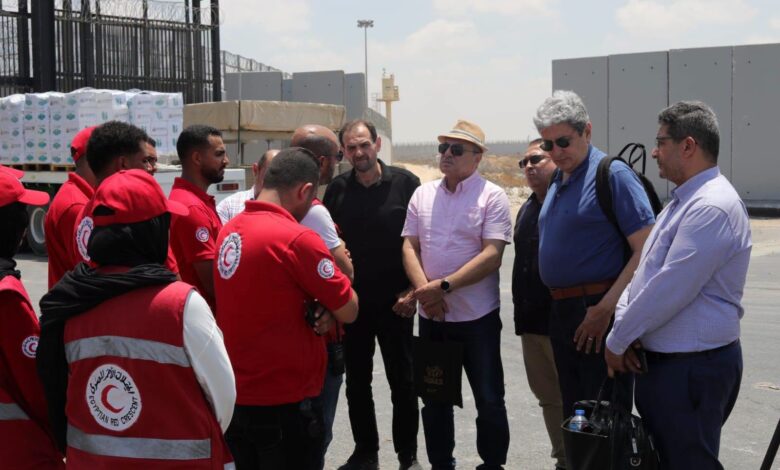
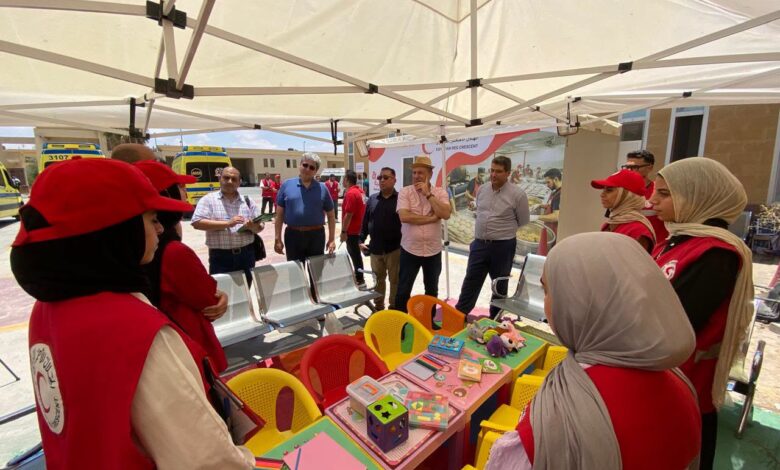
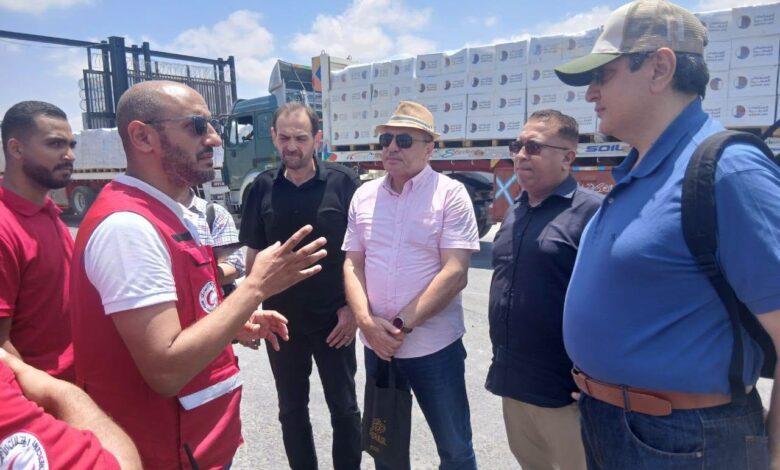
At the outset of the fourth phase, the mission visited yesterday afternoon (Monday) the Humanitarian Logistics Center in El Arish, which serves as the principal coordination hub for humanitarian assistance destined for the Gaza Strip under the supervision of the Egyptian Red Crescent Society. The mission received comprehensive briefings from the center’s leadership regarding the collection and arrival of aid, its transportation to operational centers across North Sinai, the procedures for classification, packaging, preparation for transport, and staging at the designated logistics yard near the Rafah border crossing—the same yard whose operations the mission observed during previous phases—in preparation for transportation to the “Israeli” Kerem Abu Salem Crossing, located at the junction of the Egyptian, “Israeli”, and Palestinian borders (at the southeastern edge of the Gaza Strip), which has become the agreed crossing point for the transfer and delivery of humanitarian assistance.
Among the documented findings reached by the mission are the following:
- “Israeli” authorities continue to impose restrictions on the quantity of humanitarian aid. The occupying authorities currently allow an average of only 120 aid trucks per day, thereby restricting the entry of approximately 480 trucks daily—a shortfall of 80 percent—despite the plan announced by U.S. President Donald Trump calling for the entry of 600 trucks per day.
- The arrival of 120 trucks per day at the Kerem Abu Salem Crossing does not necessarily mean that they are permitted to enter, as “Israeli” authorities continue to obstruct the entry of substantial quantities of aid, preventing it from reaching those affected in the Gaza Strip.
- The “Israeli” occupation’s claim that many prohibited aid items could fall under the category of dual-use materials is entirely false. For example, children’s toys, such as footballs, do not constitute any form of security threat.
- Many of the prohibited items are life-saving supplies, including ventilator tubing, medical refrigeration units for storing medicines, equipment for erecting tents, beds, and other essential humanitarian materials.
For the fourth consecutive time, the mission has confirmed that both the quantitative and qualitative restrictions imposed on humanitarian assistance violate international humanitarian law and humanitarian relief principles. The mission considers these restrictions to constitute a deliberate policy aimed at completing the crime of genocide committed by “Israel” against the population of the Gaza Strip, while simultaneously creating coercive conditions intended to force the population to leave their occupied homeland under the false pretext of voluntary migration.
This assessment is further supported by the continued “Israeli” attacks against displaced persons throughout the Gaza Strip under various justifications, resulting in the killing of approximately 1,070 people and the injury of around 4,500 others since the ceasefire agreement of 10 October 2025.
This conclusion also takes into account that at least 1.4 million people remain displaced in deteriorating camps across the Gaza Strip, while no fewer than 700,000 others continue to reside in destroyed homes. Meanwhile, “Israeli” occupying forces maintain control over more than 60 percent of the territory of the Gaza Strip and prevent residents from resuming agricultural or other productive activities across most of the territory, thereby undermining their means of livelihood. These findings have been documented by the Al Mezan Center inside the Gaza Strip and confirmed by the United Nations, particularly the Office for the Coordination of Humanitarian Affairs (OCHA).
On the other hand, the mission’s database confirms that Egypt—both its government and its people—continues to bear the largest share of humanitarian assistance delivered to the Gaza Strip, currently accounting for more than 80 percent of all aid provided. This proportion was also approximately the prevailing level throughout 2024 before declining during certain periods of 2025 to between 60 and 40 percent. This raises serious questions regarding the extent to which the international community is fulfilling its responsibilities, particularly its humanitarian obligations.
Visit to Sheikh Zuweid Central Hospital
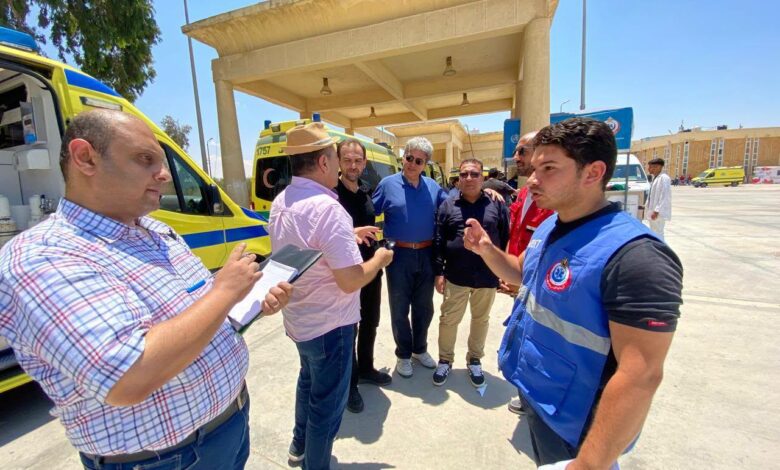
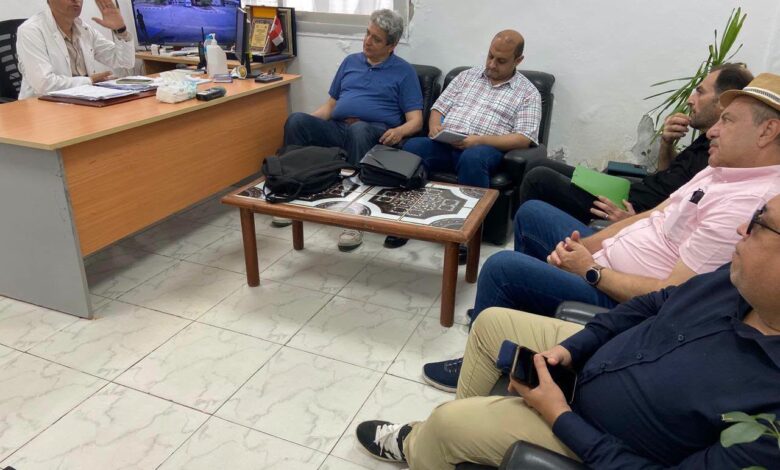
On the morning of Tuesday, 7 July 2026, the mission visited Sheikh Zuweid Central Hospital, where it inspected the conditions of patients and injured persons. Mission investigators also began documenting testimonies from victims injured during the “Israeli” offensive, as well as statements from their accompanying family members.
The preliminary testimonies indicate the deliberate targeting of civilians, including during and after repeated forced displacement.
It should be noted that the patients currently receiving treatment at Sheikh Zuweid Hospital sustained gunshot wounds to the upper parts of their bodies. Some bullets remain wholly or partially lodged in their bodies, resulting in near-total permanent disabilities and severe movement impairments.
It is recalled that the “Israeli” genocidal war against the Gaza Strip since October 2023 has resulted in 73,000 confirmed deaths, 11,000 missing persons, and 172,000 injured persons, including thousands who require specialized medical care unavailable inside the Gaza Strip due to the “Israeli” obstruction of the entry of sufficient medical equipment and supplies.
These estimates do not include the thousands of patients suffering from chronic illnesses in the Gaza Strip who require regular medical care that remains inadequately available.
Sheikh Zuweid Central Hospital, together with the adjacent extension hospital established by the Egyptian Armed Forces within a single week at the end of 2023, initially served as a principal reception point for emergency medical cases arriving from the Gaza Strip because of its proximity to the Rafah border crossing. However, this situation has changed following the decline in the intensity of hostilities and the entry of some medical assistance, allowing patients and injured persons to receive an initial level of treatment inside the Gaza Strip before traveling to Egypt for further medical care.
The Egyptian Red Crescent and the Egyptian Government continue to accommodate recovered patients, injured persons, and their accompanying family members in a nearby reception center after their discharge from hospital. Some individuals still require weekly medical follow-up provided by the hospital. The Egyptian Red Crescent, together with local community leaders, also ensures the provision of social support and recreational activities, consistent with the care extended to Palestinian victims in hospitals throughout Egypt.
According to preliminary discussions with health officials, no fewer than 90 percent of all patients and injured persons who have left the Gaza Strip since the end of January 2025 have been receiving medical treatment in Egypt under the supervision of the Egyptian Ministry of Health.
During the first and second phases of the mission, investigators documented that 70 percent of all patients and injured persons who left the Gaza Strip for medical treatment received care in hospitals across the Arab Republic of Egypt, while approximately half of those who later continued treatment in third countries had first undergone the primary phase of their medical treatment in Egypt before departing.
Visit to the Rafah Border Crossing
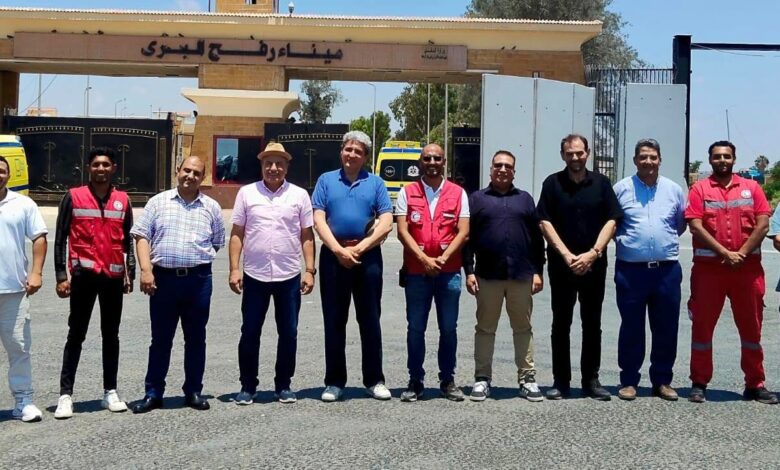
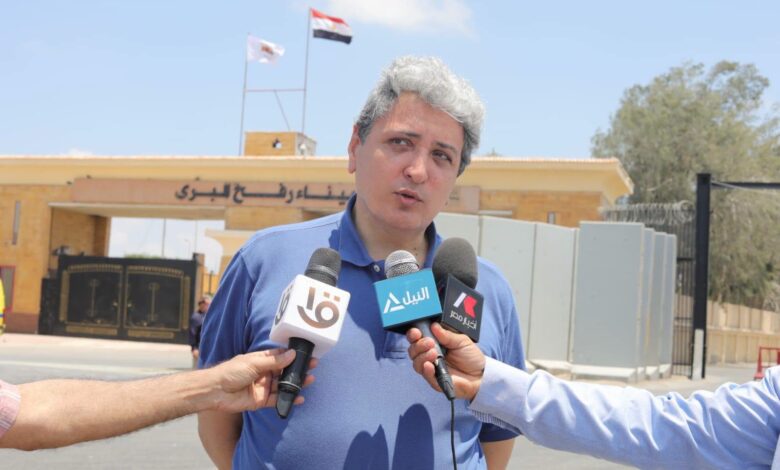
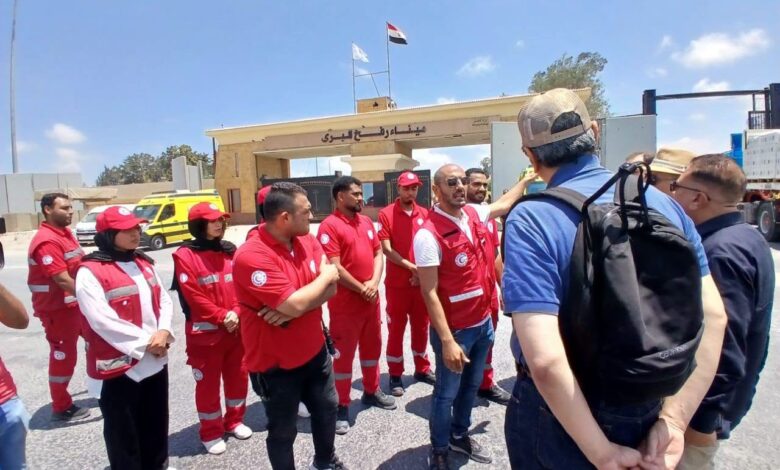
The mission visited the Rafah Border Crossing at midday on Tuesday, 7 July 2026. For the fourth time since the mission began, investigators observed the assembly and movement of aid trucks heading toward the Kerem Abu Salem Crossing and reviewed the operational procedures currently in place.
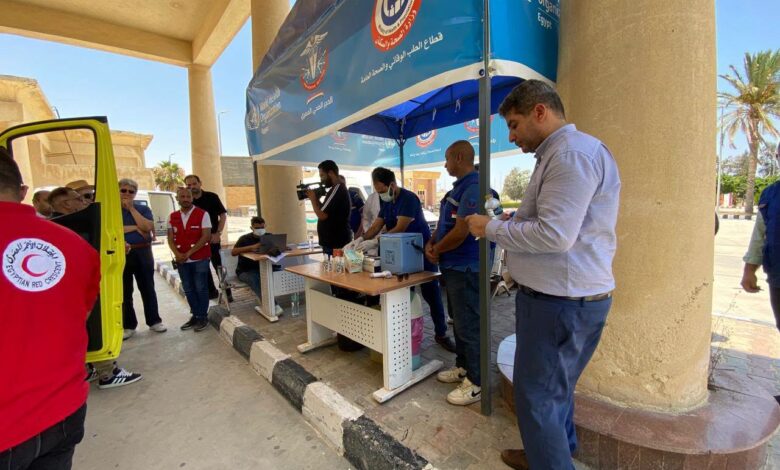
The mission expresses its appreciation to the Egyptian authorities for granting it, for the first time, access to the Rafah Border Crossing. During the visit, the mission observed the services provided to returning residents of the Gaza Strip, monitored the arrival of a new group of patients and injured persons, and reviewed the procedures applied upon arrival. These procedures include the vaccination of all incoming patients, injured persons, and accompanying family members; examination of their medical reports; renewed medical assessments conducted by Ministry of Health personnel prior to referral to hospitals appropriate to their medical conditions; the provision by the Egyptian Red Crescent of food assistance, psychosocial support for children, and services meeting the needs of women and older persons; the establishment of communication with relatives remaining inside the Gaza Strip; and finally, the direct transfer of patients to their designated hospitals.
In the coming days, the mission will continue its inspection visits to hospitals across North Sinai and other Egyptian governorates while continuing to document testimonies from victims injured during the “Israeli” offensive.
El Arish
7 July 2026
17:30